Silent brain inflammation linked to dementia risk, diet and lifestyle offer key defense
04/17/2026 / By Cassie B.

- Silent brain inflammation is a key hidden driver of cognitive decline.
- No single test exists to diagnose this chronic neuroinflammation directly.
- Turmeric, walnuts, and cinnamon are standout anti-inflammatory foods for the brain.
- An anti-inflammatory whole foods diet can dramatically lower dementia risk.
- Holistic protection requires managing stress, gut health, and blood sugar alongside diet.
The vague fatigue, stubborn forgetfulness, and unexplained mood swings that many dismiss as normal aging might be warning signs of a deeper, invisible threat. Emerging research suggests “silent” brain inflammation could be a key driver of cognitive decline, damaging the brain years before diseases like Alzheimer’s appear. This revelation, highlighted by experts like internist Dr. Jeng Yuan Yu, shifts the focus from merely treating late-stage dementia to protecting brain health through daily dietary and lifestyle choices.
This often-overlooked neuroinflammation does not cause obvious pain but can gradually damage nerve cells through long-term chronic reactions. Dr. Jeng explained that while inflammation is a necessary bodily process, when it becomes excessive or imbalanced, it contributes to degenerative diseases. Studies on early-stage Alzheimer’s patients show most have detectable activation of brain immune cells, indicating a close relationship between neuroinflammation and the disease.
Currently, no single test can directly diagnose this chronic brain inflammation. Clinically, doctors often use systemic inflammatory markers as indirect references while ruling out other conditions. This diagnostic challenge makes preventive measures through lifestyle even more critical.
The power of food as medicine
Diet is a primary weapon in this fight. Three foods stand out for their brain-boosting properties: turmeric, walnuts, and cinnamon. Dr. Jeng points to studies showing long-term curcumin supplementation from turmeric may improve memory in middle-aged and older people. He suggests using it as a daily spice to enhance flavor and antioxidant intake.
Walnuts, often called “brain-shaped nuts,” offer benefits through the gut-brain axis. A long-term poor diet can disrupt gut microbiota, increasing harmful endotoxins that amplify neuroinflammation. Consuming walnuts regularly can improve the composition of gut microbiota, Jeng said, which helps reduce systemic inflammation and indirectly supports cognitive function. Research confirms that regular daily walnut consumption can improve memory.
Cinnamon’s rich polyphenolic compounds possess powerful antioxidant and anti-inflammatory properties. A review of 40 studies found cinnamon significantly improves memory and learning ability while slowing oxidative damage and inflammatory responses in the brain.
Foundations for a resilient brain
Brain protection requires holistic lifestyle change, not just single foods. Dr. Jeng summarized four core principles: adopt an anti-inflammatory diet, stabilize blood sugar, maintain healthy gut microbiota, and reduce stress hormones through exercise, sleep, and mindfulness.
This approach is supported by long-term data. A Harvard School of Public Health study tracking more than 105,000 people for 30 years found those who adhered most closely to healthy eating principles had a 124 percent higher chance of remaining healthy at age 75. Conversely, diets high in trans fats, sodium, and sugary drinks were linked to greater cognitive and physical decline.
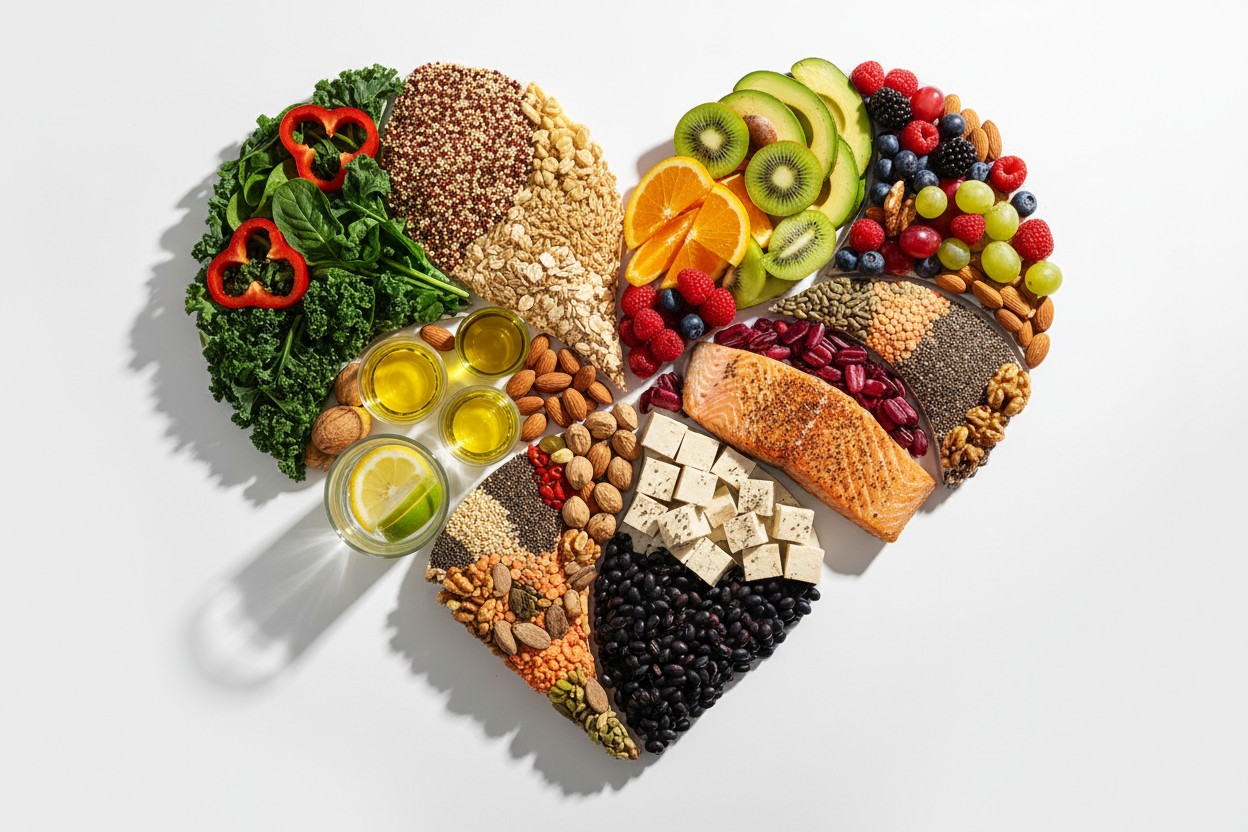
The anti-inflammatory diet emphasizes whole, unprocessed foods. Experts advise avoiding “ultra-processed” foods like microwaveable dinners, sugary cereals, and processed meats, which can damage the gut lining and switch on inflammatory genes. Instead, focus on fruits, vegetables, whole grains, legumes, fish, nuts, seeds, and healthy oils like olive oil.
This nutritional strategy is gaining scientific backing for brain health. A 2021 study in the journal Neurology found older adults who ate the most inflammatory foods were three times more likely to develop dementia than those who ate the least. Study author Dr. Nikolaos Scarmeas noted, “Diet is a lifestyle factor you can modify, and it might play a role in combating inflammation, one of the biological pathways contributing to risk for dementia.”
Cultivating mental balance
Protecting the brain extends beyond the plate. Dr. Jeng emphasized that mental and emotional balance are critical, as chronic stress fuels inflammation. Practices like mindfulness can help regulate stress. He cautions against viewing healthy eating as deprivation, which can lead to cycles of overeating. Instead, he encourages purpose-driven habits.
“When people focus on maintaining their health to care for others, it becomes more sustainable,” he said.
The growing consensus that diet is a powerful form of medicine offers a proactive path forward. While the specter of cognitive decline is a modern concern fueled by longer lifespans, the solution appears to be grounded in timeless principles: nourishing the body with whole foods, tending to gut health, managing stress, and finding purpose. The quality of our later years may depend less on a future pharmaceutical breakthrough and more on the daily decisions we make at our own tables.
Sources for this article include:
Submit a correction >>
Tagged Under:
antioxidants, brain function, brain health, brain inflammation, cognitive decline, food cures, grocery cures, inflammation, longevity, mental, Mind, mind body science, nutrients, plant medicine, prevention, Whole Foods
This article may contain statements that reflect the opinion of the author
RECENT NEWS & ARTICLES