Sugar starts corroding your teeth in seconds but these holistic habits can mitigate the damage
12/04/2025 / By Lance D Johnson
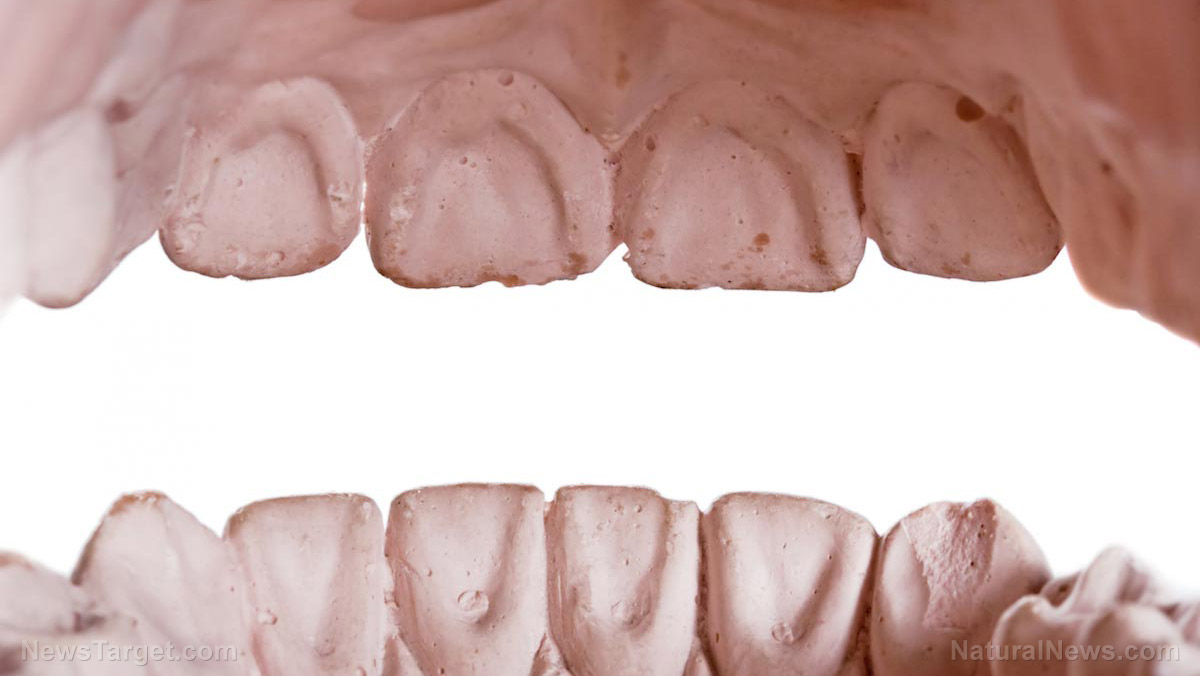
For generations, the warning has been simple: sugar rots your teeth. But the full story of tooth decay is a more complex and insidious drama playing out in the dark, warm environment of the human mouth, a narrative where the villains are not just candies and the heroes are not just toothbrushes. Emerging science reveals a daily battle where lifestyle choices, from bedtime to beverage selection, can tip the scales toward ruin or resilience. While sugar remains a primary antagonist, a holistic defense—one that includes strategic eating, stress management, and a surprising arsenal of cavity-fighting foods—is the most effective way to protect your pearly whites from a silent, corrosive assault.
Key points:
- Tooth decay begins within seconds of sugar consumption as oral bacteria produce acids that dissolve tooth enamel.
- Frequent sugar intake allows harmful bacteria to form fortified biofilms (plaque) that saliva cannot neutralize, leading to sustained acid attacks.
- A holistic approach to prevention is critical, extending beyond sugar avoidance to include diet, sleep, stress management, and oral hygiene.
- Certain foods, like aged cheese, crunchy vegetables, black tea, and onions, can actively combat decay-causing bacteria and support oral health.
- Hidden factors like acidic drinks, sticky snacks, chronic stress, and poor sleep significantly weaken the mouth’s natural defenses and accelerate enamel damage.
Mouth bacteria, the sugar feast, and the formation of biofilms
The moment a sweet morsel passes your lips, a microscopic clock starts ticking. Within seconds, the resident bacteria in your mouth, particularly Streptococcus mutans, seize upon those sugars as a feast. In their metabolic frenzy, they produce large quantities of lactic acid, plunging the oral environment into a state of acidity potent enough to begin dissolving the mineral matrix of tooth enamel. It is a rapid and direct chemical assault. Saliva, the mouth’s first responder, rushes to dilute the sugars and neutralize the acids, while other beneficial oral bacteria compete to restore balance. Yet, this natural defense system has limits. When sugar arrives too frequently, it overfeeds the harmful bacteria, overwhelming the mouth’s ability to recover and setting the stage for a more entrenched conflict.
This is where the battle escalates from a skirmish to a siege. The cavity-causing bacteria do not merely produce acid; they use dietary sugars to construct elaborate, sticky fortresses known as biofilms—what we commonly call plaque. Once established, this biofilm acts as a formidable barrier. It shields the acid-producing bacteria from saliva’s neutralizing effects and creates a localized, persistently acidic zone right against the tooth surface. In this protected stronghold, the destructive bacteria thrive, while the beneficial bacteria that fight them perish in the acidic conditions. The result is a sustained mineral loss from the tooth, a silent erosion that continues until the structural integrity fails and a cavity—a literal hole—forms. This process explains why a single piece of candy is less damaging than sipping a sugary soda throughout the day; constant exposure provides the resources for these bacterial fortresses to remain fortified and actively corrosive.
Beyond the brush: building a holistic defense
Understanding this biological narrative makes it clear that prevention requires more than just avoiding the Halloween candy bowl. It demands a multifaceted strategy that supports the mouth’s natural defenses and starves the enemy. The ancient adage that prevention is key has never been more relevant. Start with the basics: reduce overall sugar intake and, when you do indulge, consume sweets with a meal rather than as a standalone snack. The increased saliva flow during a meal helps wash away sugars and buffer acids more effectively. Avoiding constant grazing on sugary or acidic foods and drinks is crucial, as it keeps the oral pH in the danger zone for extended periods.
But defense can also be deliciously proactive. Certain foods act as natural allies in this fight. Crunchy, fibrous vegetables like celery and carrots function as nature’s toothbrush, their abrasive texture helping to scrub away plaque and stimulate protective saliva. Aged cheeses, such as cheddar or Swiss, are particularly powerful. They boost saliva production, provide a protective film of calcium and phosphate around teeth, and help raise oral pH, creating a less hospitable environment for acid-loving bacteria. Historical folk remedies also find validation in modern science. Onions, rich in sulfur compounds, possess potent antibacterial properties that target decay-causing microbes. Similarly, beverages like black tea, high in antioxidant catechins, can inhibit bacterial growth and may help protect enamel.
Conversely, some modern habits are covert saboteurs. Chronic stress and the insomnia it often brings weaken the immune system, allowing oral bacteria to proliferate unchecked. Saliva flow, that critical natural defense, diminishes during stress and sleep, leaving teeth vulnerable. The popular consumption of acidic beverages—from sparkling waters to fruit juices—can directly erode enamel and disrupt the mouth’s pH balance, independent of their sugar content. Sticky snacks, even seemingly healthy ones like dried fruit or granola bars, cling to teeth and provide a long-lasting sugar buffet for bacteria. The choice between a pudding and a caramel, for instance, can have real consequences for how long sugars linger in the mouth.
The science of decay prevention is evolving into a philosophy of mindful oral ecology. It is not merely about subtraction—removing sugar—but about intelligent addition and habit formation. Incorporating iron-rich foods into your diet, for example, can make teeth more resilient to sugar’s damage. Choosing a small piece of dark chocolate over a gummy candy, thanks to cocoa’s decay-inhibiting properties, is a strategic compromise. Even the simple, joyful act of kissing stimulates salivary flow, offering a gentle, natural rinse.
The enemy is not just sugar, but the conditions that allow sugar to wreak havoc: the acidic environment, the fortified plaque, the dry mouth, and the weakened immunity. By viewing oral health through this wider lens—prioritizing sleep, managing stress, choosing smart snacks, and embracing cavity-fighting foods—you empower your body’s own defenses.
Sources include:
Submit a correction >>
Tagged Under:
acidic foods, antioxidants, bacteria, biofilm, cavities, Censored Science, dental care, dental science, diet, enamel, Holistic Dentistry, holistic health, natural health, natural remedies, nutrients, nutrition, oral health, oral hygiene, oral microbiome, plaque, prevention, saliva, sleep hygiene, stress, sugar, tooth decay
This article may contain statements that reflect the opinion of the author
RECENT NEWS & ARTICLES