Peppermint: A garden’s gift for clear thinking
10/26/2026 / By Ava Grace
- Peppermint, historically used in ancient Greece, Rome and Traditional Chinese Medicine (TCM), is scientifically validated to improve memory, focus and attention. A 2024 study showed peppermint tea consumption enhanced cognitive performance, while a 2023 review highlighted its essential oil’s ability to activate brain regions linked to alertness and memory.
- Peppermint’s compounds (menthol, menthone) offer a gentler, side-effect-free alternative to stimulants, reducing mental fatigue and stress without the drawbacks of pharmaceuticals.
- Easy to grow in USDA zones 5–9, peppermint thrives in containers or garden beds with minimal care. Its “cut-and-come-again” regrowth ensures a steady supply for tea, essential oil, or topical use.
- Beyond tea, peppermint essential oil supports mental clarity through aromatherapy, topical application (diluted), or bath soaks, while dried leaves provide a concentrated flavor for brewing.
- The herb’s resurgence aligns with growing skepticism of pharmaceuticals and a shift toward self-sufficiency. It bridges ancient wisdom with modern science, offering an accessible, nature-based solution for cognitive health.
In an era where burnout and mental fatigue plague modern life, a humble herb has emerged as a beacon of natural relief: peppermint. Known for its invigorating scent and centuries-old medicinal use, peppermint is gaining renewed attention for its ability to sharpen focus, dispel mental fog and restore clarity. This news matters today as growing numbers seek alternatives to pharmaceutical solutions for stress and cognitive decline. From ancient Roman physicians to 2024 scientific trials, the story of peppermint reveals a plant that transcends time, offering a simple yet powerful remedy rooted in tradition and science.
A timeless remedy for modern minds
Peppermint’s history as a cognitive aid dates back millennia. Greek and Roman healers praised its ability to refresh the mind and body, while Traditional Chinese Medicine (TCM) revered it for clearing mental fog and enhancing vision. Today, modern research corroborates these ancient claims. A 2024 randomized trial found that participants who consumed 200 milliliters of brewed peppermint tea demonstrated improved memory and attention span compared to a placebo group. The study, published in a peer-reviewed journal, highlights the herb’s potential to counteract the mental fatigue caused by prolonged stress—a common issue in today’s fast-paced society.
The science of peppermint’s cognitive boost
Peppermint’s effectiveness lies in its potent chemical compounds, including menthol and menthone, which stimulate alertness and reduce fatigue. A 2023 review in the journal Molecules noted that peppermint essential oil activates brain regions associated with focus and memory, offering a natural alternative to stimulants. Unlike pharmaceuticals, which often come with side effects, peppermint provides a gentler, holistic approach. Its cooling properties also help dispel tension, making it a dual-purpose remedy for both physical and mental well-being.
Cultivating clarity in the garden
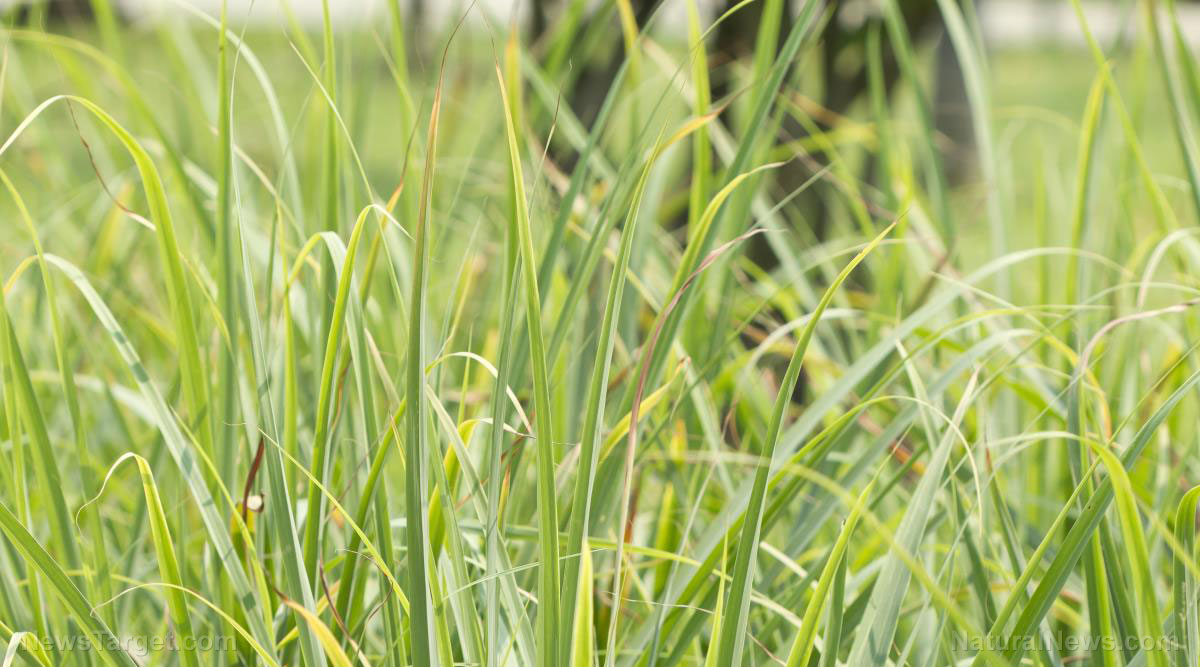
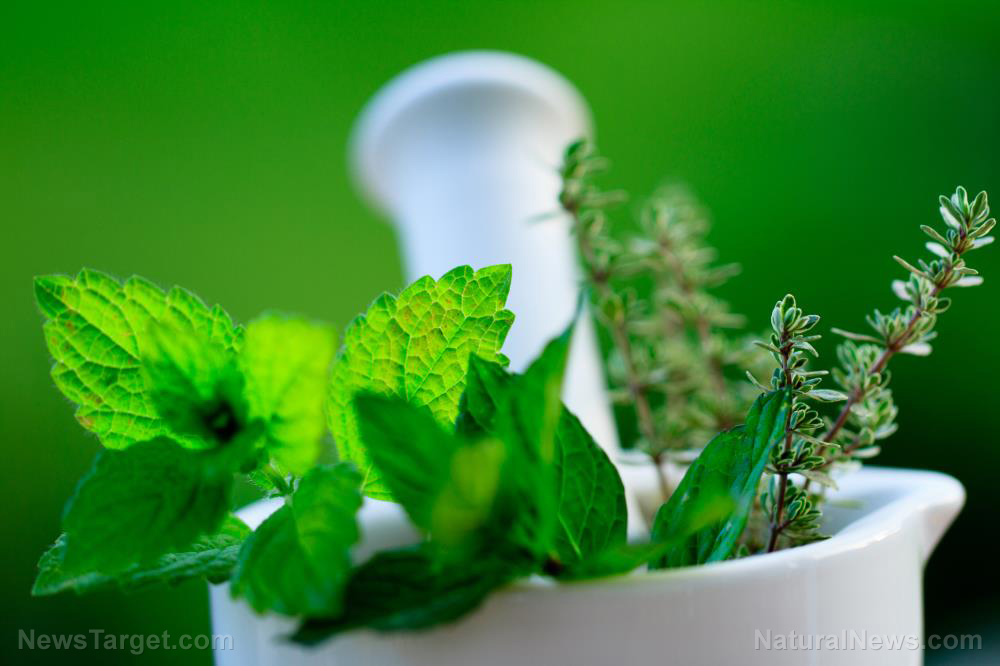
Peppermint is a vigorous perennial, thriving in USDA hardiness zones 5 to 9. Gardeners often admire its resilience but caution against its aggressive spread. If left unchecked, it can overrun vegetable beds and lawns. To manage this, experts recommend planting peppermint in large containers or using physical barriers in garden beds. Its ease of cultivation—requiring minimal care and thriving in partial shade—makes it accessible even to novice growers. The herb’s rapid regrowth, or “cut-and-come-again” nature, ensures a steady supply of leaves for tea or essential oil.
From soil to steep: Harvesting and brewing
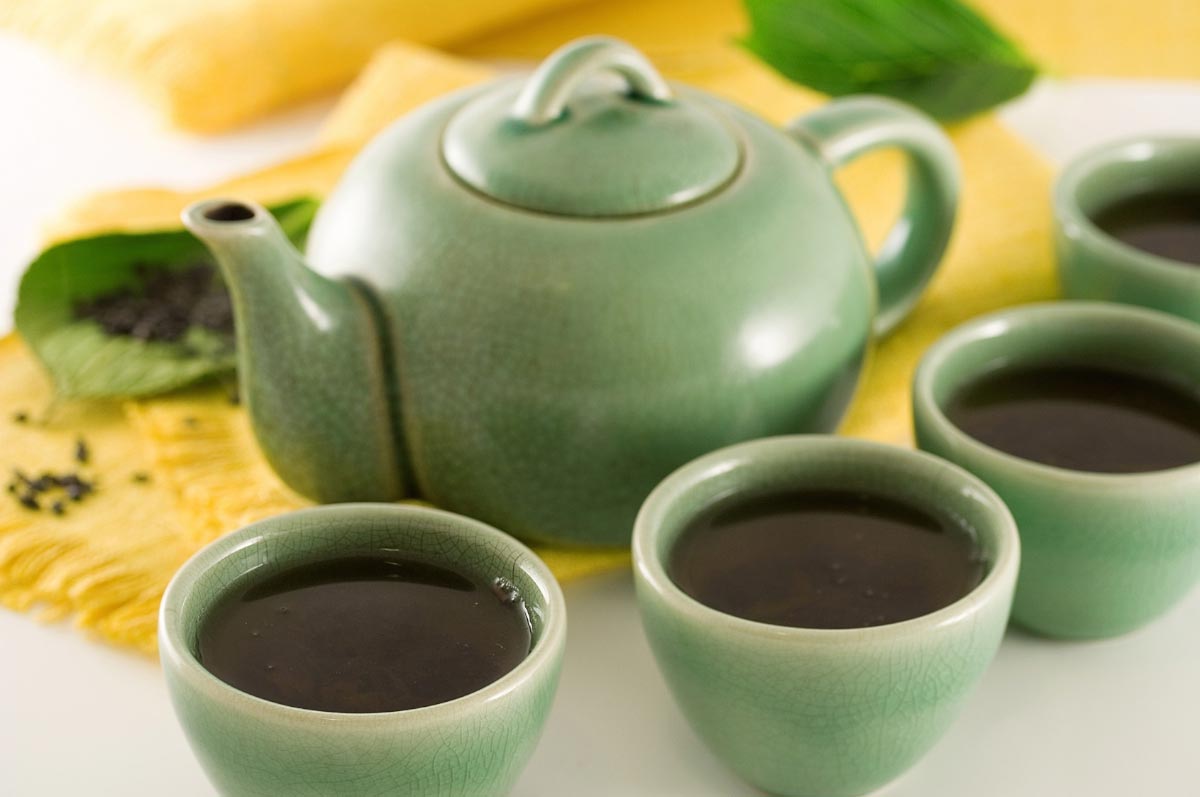
Harvesting peppermint is straightforward. Early morning, before flowering, is ideal for cutting stems just above leaf nodes, which encourages bushier growth. Fresh leaves yield a bright, grassy flavor, while dried leaves offer a more intense, traditional taste. To dry peppermint, bundle stems and hang them upside down in a cool, dry place until the leaves crumble easily. A simple tea can be made by steeping 10 fresh leaves or 1 teaspoon of dried leaves in 8 ounces of hot water for 10 minutes. For a milder flavor, reduce steeping time.
Peppermint essential oil: A natural stimulant
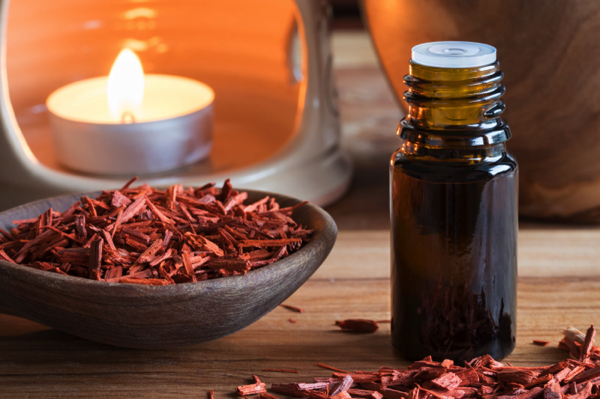
Beyond tea, peppermint essential oil offers versatile applications. A 2023 study highlighted its role in reducing mental fatigue through aromatherapy. Diffusing a few drops can enhance concentration, while topical application—diluted with a carrier oil—provides a refreshing massage. Adding it to bathwater or foot soaks offers a calming yet invigorating experience. Its antibacterial and anti-inflammatory properties also make it a popular ingredient in salves for muscle relief.
While peppermint is celebrated for its benefits, its potency requires careful use. Oversteeping tea can result in an overpowering flavor, and excessive essential oil use may cause skin irritation. As with any natural remedy, consulting a healthcare provider is advisable, especially for individuals with preexisting conditions or those taking medications.
The rise of natural alternatives
The resurgence of interest in peppermint reflects broader societal shifts toward natural remedies. As skepticism grows over pharmaceuticals and their side effects, herbs like peppermint offer a safe, accessible option. This trend aligns with movements advocating for self-sufficiency and sustainability, as growing and using peppermint empowers individuals to take control of their health.
Peppermint’s journey from ancient apothecary to modern kitchen underscores its enduring relevance. TCM’s belief in its ability to “disperse blocked energy” finds modern validation in studies on cognitive function. By bridging historical wisdom with scientific inquiry, peppermint exemplifies the value of integrating traditional knowledge with contemporary research.
Conclusion: A simple path to clarity
“A ‘return to simplicity’ involves intentionally simplifying daily routines and prioritizing meaningful activities to reduce mental clutter and focus on what truly matters,” said BrightU.AI‘s Enoch. “It often includes mindfulness, minimalism and disconnecting from overstimulating modern habits to cultivate peace and clarity. This approach helps alleviate anxiety by fostering resilience, self-awareness and a deeper connection to one’s values and the natural world.”
In a world increasingly dominated by digital noise and chronic stress, peppermint offers a return to simplicity. Whether through a steaming cup of tea, a few drops of essential oil, or a thriving garden patch, this herb provides a natural, accessible means to reclaim mental clarity. As research continues to validate its benefits, peppermint stands as a testament to the power of nature’s remedies—a reminder that sometimes, the answers lie in the soil beneath our feet.
Watch and discover the many healing benefits of peppermint oil or tea.
This video is from the Health Ranger Store channel on Brighteon.com.
Sources include:
Submit a correction >>
Tagged Under:
alternative medicine, brain function, Cures, essential oil, grow your medicine, healing, herbal medicine, Herbs, mental health, Mind, natural cures, natural health, natural medicine, natural remedies, Naturopathy, peppermint, phytonutrients, plant medicine, remedies
This article may contain statements that reflect the opinion of the author
RECENT NEWS & ARTICLES