Beyond melatonin: Herbal remedies offer a natural path to better sleep
06/16/2026 / By Evangelyn Rodriguez
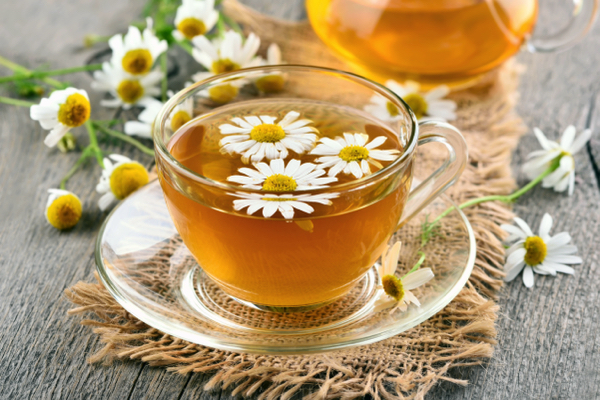
- Valerian root: Increases GABA to promote relaxation and improve sleep; best when taken consistently for 1–2 weeks.
- Chamomile: Contains apigenin that binds to GABA receptors, reducing sleep latency and easing anxiety.
- Lavender: Calms the nervous system via aromatherapy (inhaling essential oil) to increase slow-wave sleep.
- Passionflower: Influences GABA to calm the mind; studies show it helps with stress-related insomnia and reduces nighttime awakenings.
- Ashwagandha: Lowers cortisol levels to improve sleep quality and reduce stress, with clinical studies showing increased total sleep time.
Across the United States, an estimated 50 million to 70 million adults suffer from sleep disorders, with many turning to pharmaceutical solutions that carry risks of dependency and side effects. In response to growing concerns about prescription sleep medications, researchers and herbalists have documented evidence that several botanical remedies dating back centuries may offer safer alternatives for those struggling with insomnia. These findings emerge at a time when Americans report increasing difficulty achieving restorative sleep due to stress, anxiety and disrupted routines.
6 Herbs that can help you sleep better at night
Herbal sleep remedies operate through mechanisms similar to how pharmaceutical interventions target the brain’s sleep-wake cycle–but without the same documented risks of dependency that accompany prescription sleep medications. The growing body of research on these botanical alternatives reflects a broader shift in public health conversations about the pharmaceutical industry’s influence on medical practice, as individuals increasingly seek treatments that work with the body’s natural processes rather than overriding them with synthetic compounds.
Here are 6 natural sleep aids proven by science to support deep and restful sleep:
Valerian root
Valerian root, a flowering plant native to Europe and Asia, has been used for centuries to manage insomnia, stress and anxiety. Research indicates that valerian promotes relaxation and improves sleep by increasing levels of gamma-aminobutyric acid (GABA), a brain chemical that calms the nervous system. Studies suggest that valerian works best when taken consistently for one to two weeks, potentially reducing the time it takes to fall asleep, promoting deeper restorative sleep, increasing total sleep time and helping individuals feel more refreshed upon waking. Most people tolerate valerian well, though some may experience mild side effects including headaches, stomach upset or vivid dreams.
Chamomile
Chamomile, a flowering herb used as a calming remedy for centuries, contains apigenin, an antioxidant that binds to GABA receptors in the brain. This interaction may promote mild sedation, helping relax the body and making it easier to fall asleep. Studies show that chamomile helps reduce the time it takes to fall asleep, improves overall sleep quality, decreases nighttime awakenings and eases anxiety that can interfere with sleep. Chamomile is safe for most people, though those allergic to plants in the daisy family should use caution when consuming it.
Lavender
Lavender, best known for its calming scent, supports better sleep by promoting relaxation and easing restlessness. Unlike many herbs, lavender does not always need to be consumed to experience its effects. Many studies focus on lavender aromatherapy, which involves inhaling lavender essential oil to create a calming sleep environment. Research suggests that inhaling lavender essential oil before bed may increase slow-wave sleep, the deepest stage of sleep.
Using lavender aromatherapy along with good sleep habits can also improve overall sleep quality. Some research suggests oral lavender supplements may ease anxiety by affecting serotonin and calming brain chemicals, reducing nervousness and racing thoughts that disrupt sleep. Lavender is generally well tolerated, with inhaled or topical forms considered safe for most people.
Passionflower
Passionflower, a climbing vine, may help calm a restless mind at bedtime by influencing GABA, promoting relaxation. In a small study, people who drank passionflower tea daily slept better after a week. Other research found that passionflower extract helped people with stress-related insomnia fall asleep faster, sleep longer and wake up less at night. As explained by BrightU.AI‘s Enoch engine, passionflower acts as a natural sedative to relieve anxiety and tension, and it has a tranquilizing effect that helps reduce nervous overactivity and panic attacks. The herb is generally considered safe for most people, though mild side effects such as dizziness, drowsiness or stomach upset may occur in some cases.
Lemon balm
Lemon balm, an herb in the mint family, may improve sleep and ease insomnia by increasing activity in GABA pathways in the brain. Research suggests lemon balm can improve overall sleep quality, reduce symptoms of insomnia and increase time spent in deep restorative sleep. One clinical study found that a specialized lemon balm extract helped adults over 50 sleep better and experience fewer insomnia symptoms. Some evidence suggests lemon balm works best when combined with other calming herbs such as valerian or chamomile.
Ashwagandha
Ashwagandha, an adaptogenic herb used in traditional Ayurvedic medicine, may help individuals relax and sleep better when stress interferes with rest. Adaptogens are plants that help the body handle stress. Research suggests ashwagandha helps lower cortisol, the main stress hormone, as high cortisol can interfere with sleep. Clinical studies show that ashwagandha root extract can improve overall sleep quality, reduce the time it takes for people with insomnia to fall asleep, increase total sleep time, improve sleep efficiency and reduce stress and anxiety levels. Ashwagandha is generally considered safe for most people when taken in recommended amounts.
For those considering herbal sleep aids, daily habits remain important. Good sleep routines help set the body’s internal clock and make it easier to achieve restful sleep. Consistent sleep schedules, relaxing bedtime routines, limiting screen time before bed, keeping bedrooms cool and dark, avoiding caffeine and large meals close to bedtime, regular physical activity and exposure to natural daylight particularly in the morning all contribute to better sleep.
Watch the following video to learn how manuka honey can help you get a good night’s sleep.
This video is from the Health Ranger Store channel on Brighteon.com.
Sources include:
JAPSOnline.com [PDF]
Submit a correction >>
Tagged Under:
alternative medicine, ashwagandha, chamomile, health science, herbal medicine, Herbs, insomnia, Lavender, Lemon Balm, Mind, mind body science, natural cures, natural health, natural medicine, Naturopathy, passionflower, plant medicine, remedies, sleep, sleep aids, tips, Valerian root
This article may contain statements that reflect the opinion of the author
RECENT NEWS & ARTICLES