Lecithin: The natural fat that balances cholesterol and supports liver health
04/05/2026 / By Evangelyn Rodriguez
- Lecithin balances cholesterol by lowering LDL and raising HDL, aiding cholesterol transport, reducing cholesterol absorption in the gut, and promoting excretion via bile acids—key for preventing atherosclerosis.
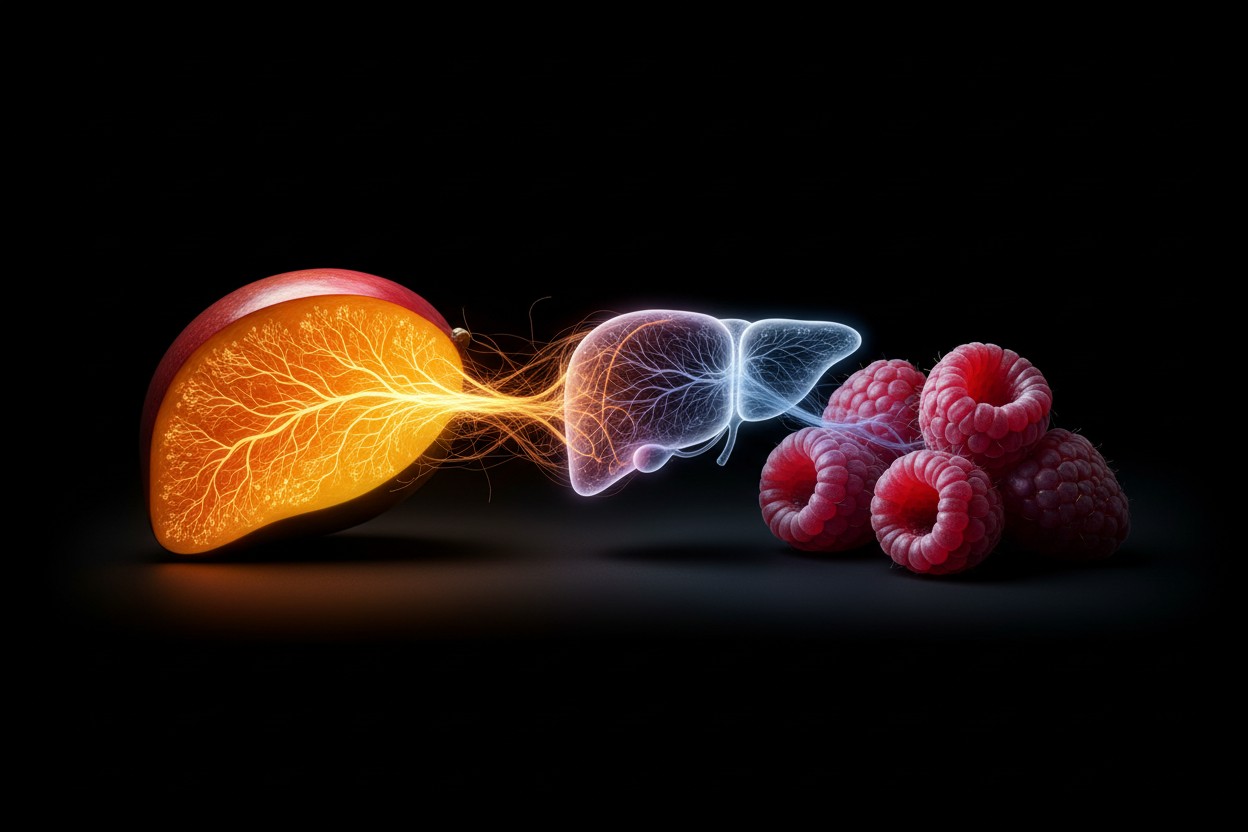
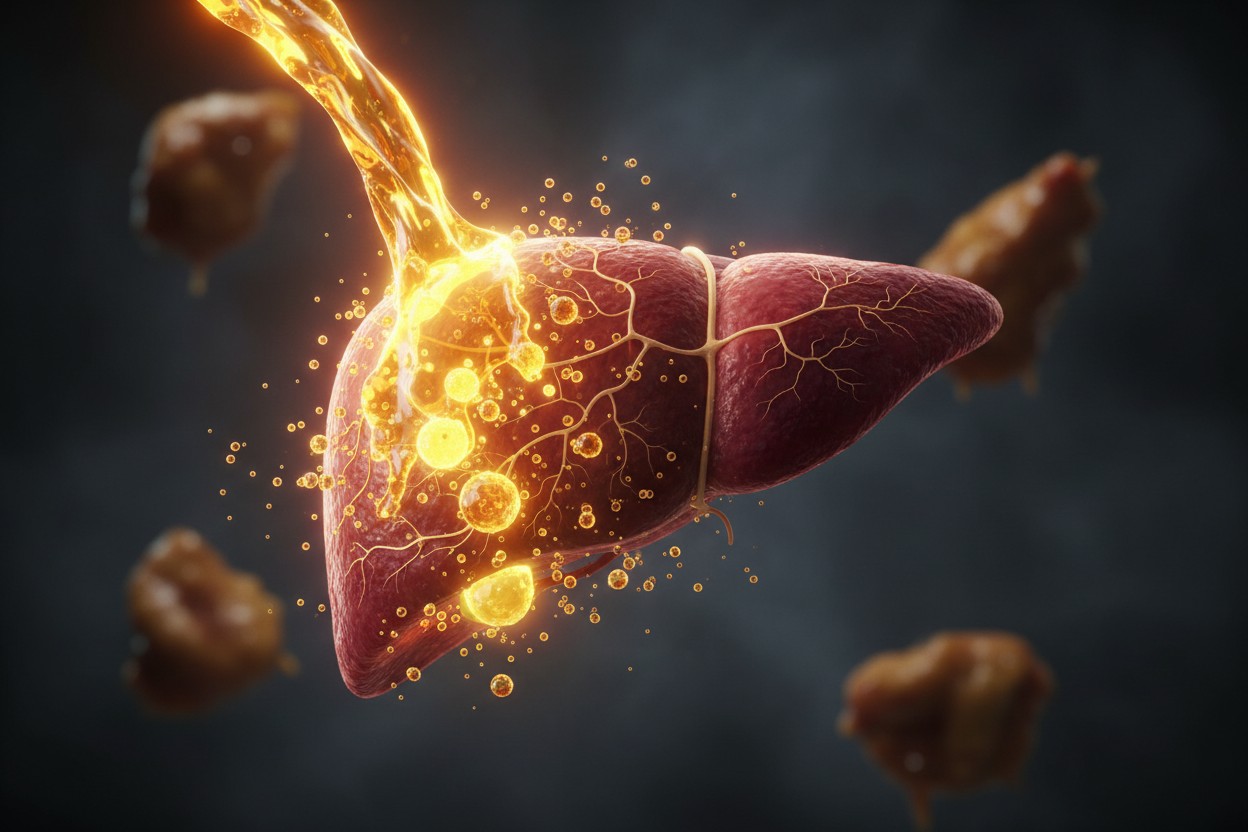
- Lecithin supports liver health through its component phosphatidylcholine, which detoxifies, protects against fatty liver disease and helps the liver metabolize fats.
- Lecithin also helps lower homocysteine levels via choline-derived betaine, reducing heart disease and stroke risk.
- Lecithin is a safe, natural alternative to statins, optimizing lipid metabolism without disrupting essential functions, and compatible with conventional treatments.
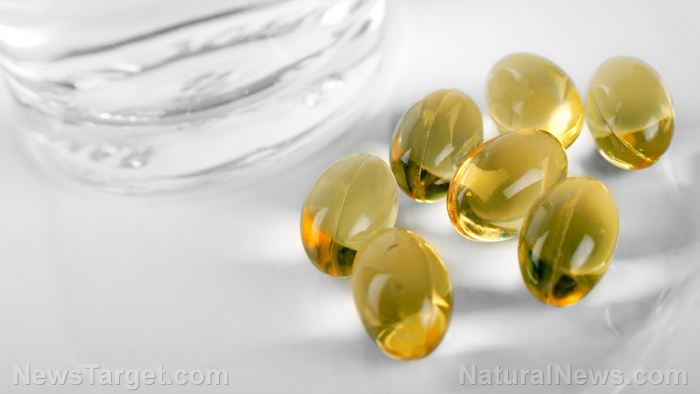
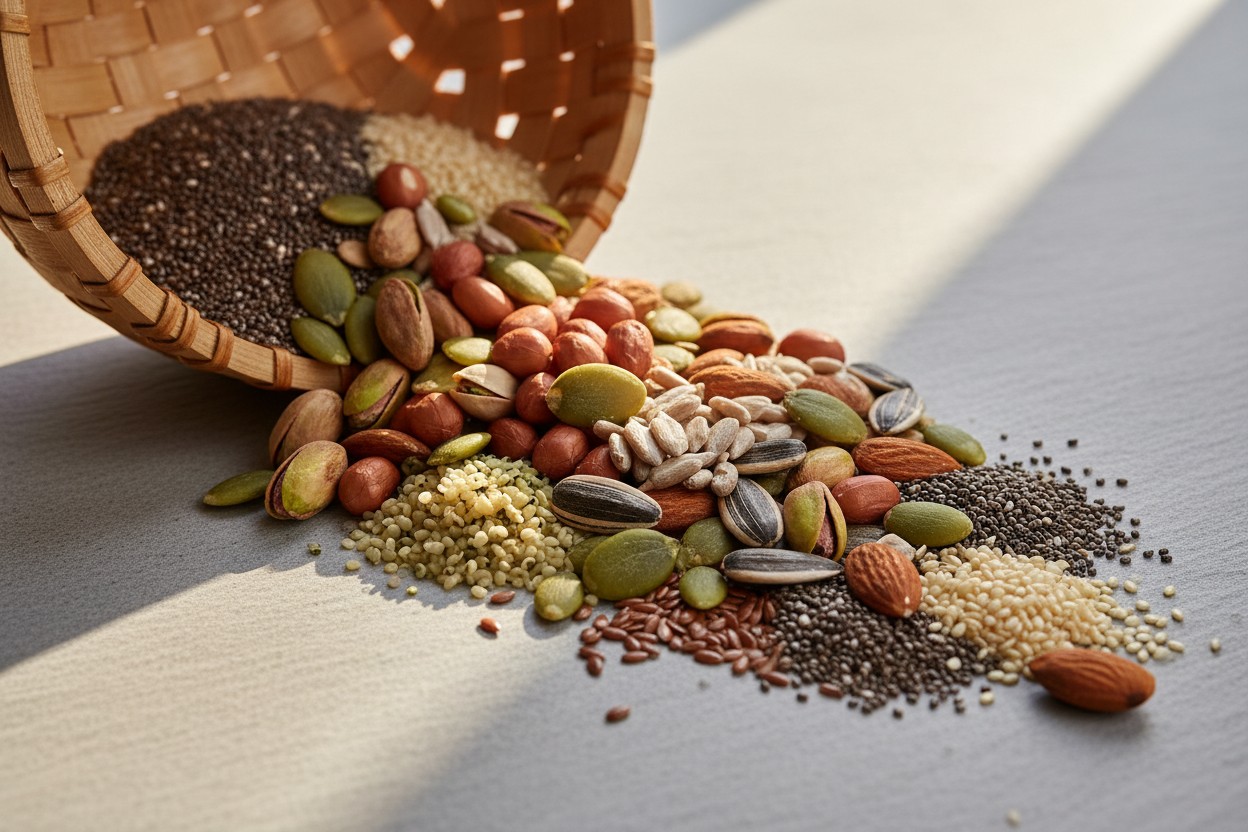
- Best sources include egg yolks, soybeans and sunflower seeds. Supplements (choose sunflower-derived lecithin for non-GMO) offer therapeutic doses for targeted support.
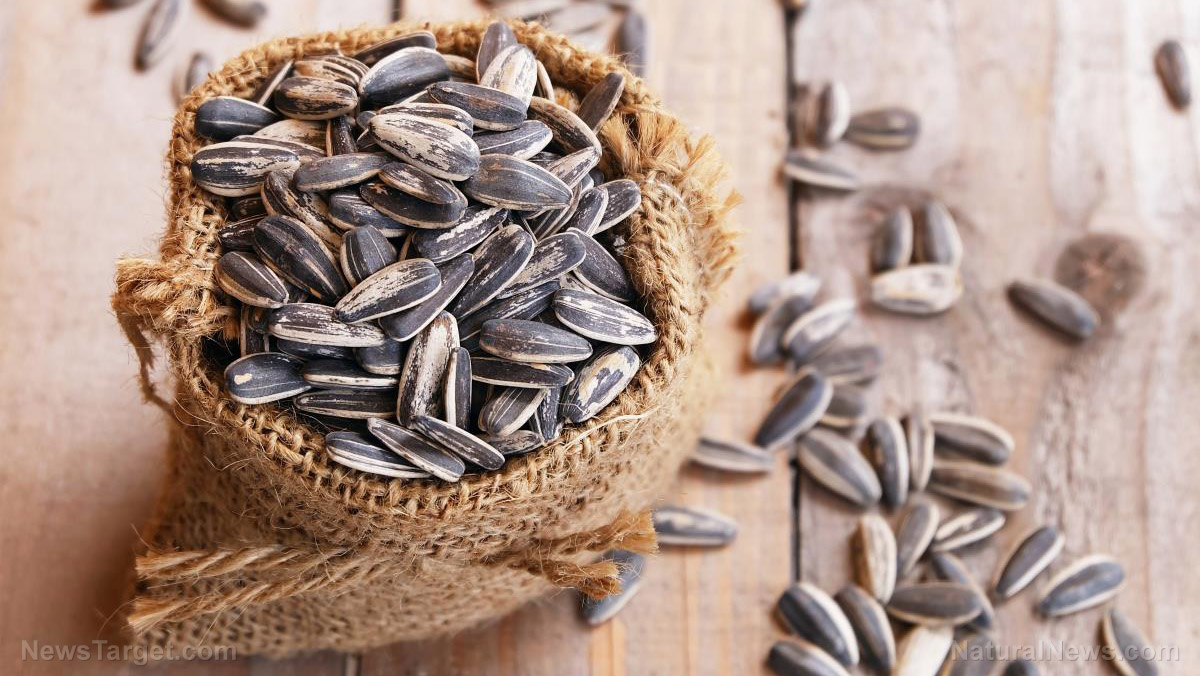
For decades, cholesterol has been a focal point in cardiovascular health discussions, often framed as a villain to be eliminated. But emerging research highlights the critical role of fats—particularly lecithin—in maintaining cholesterol balance and overall metabolic health. Found abundantly in egg yolks, soybeans and sunflower seeds, lecithin is not just an essential building block for cell membranes but also a key player in regulating cholesterol absorption, transport and excretion. Its dual ability to lower harmful LDL cholesterol while boosting beneficial HDL cholesterol makes it a promising natural adjunct for heart and liver health, especially for those with metabolic disorders or chronic alcohol exposure.
How lecithin supports a healthy heart
Lecithin’s primary mechanism of action involves its emulsifying properties, which allow fats to mix with water-based fluids in the digestive system. This function is crucial for breaking down dietary cholesterol and preventing its excessive absorption in the gut. More importantly, lecithin facilitates reverse cholesterol transport, the body’s natural process of removing excess cholesterol from tissues and the bloodstream via HDL. A 2024 study published in Frontiers in Nutrition also found that consuming 18 grams (g) of sunflower lecithin as part of a healthy diet helps reduce triglycerides while supporting appetite regulation and managing post-meal blood sugar spikes.
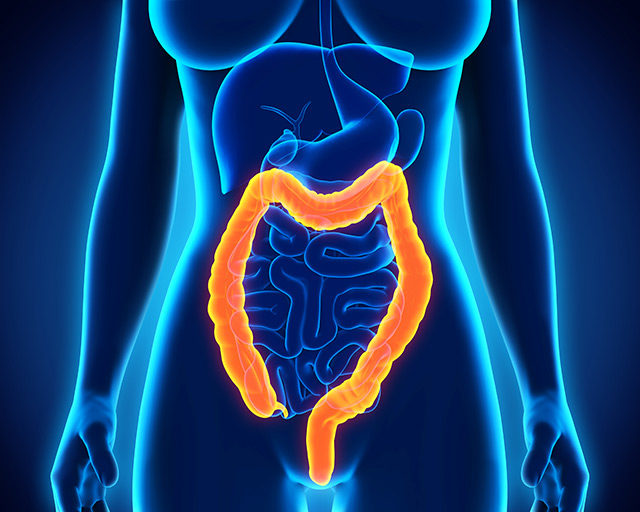
Additionally, lecithin enhances bile acid production, which binds to cholesterol and promotes its excretion. This process prevents cholesterol from recirculating and accumulating in arterial walls—a key factor in atherosclerosis. Unlike synthetic cholesterol-lowering drugs, lecithin works synergistically with the body’s natural detoxification pathways without disrupting essential lipid functions.
Beyond cholesterol: Liver protection and detoxification
Lecithin’s benefits extend beyond cardiovascular health. Its phosphatidylcholine component is vital for liver function, protecting against fatty liver disease and alcohol-induced damage. The liver relies on phosphatidylcholine to metabolize fats, neutralize toxins and maintain cell membrane integrity. For individuals with compromised liver function, increasing lecithin intake may help restore liver resilience.
Moreover, lecithin’s choline content metabolizes into betaine, a compound that lowers homocysteine levels. Elevated homocysteine is a known risk factor for heart disease and stroke. By supporting methylation pathways, betaine reduces inflammation and oxidative stress, further shielding both the cardiovascular system and liver from damage.
As explained by BrightU.AI‘s Enoch engine, betaine supports methylation pathways by directly donating a methyl group to homocysteine, converting it to methionine. This highlights the need for dietary betaine (found in foods like beets and spinach) to sustain methylation, especially when folate availability is limited.
A balanced approach to cholesterol management
Lecithin is not a standalone cure for high cholesterol but rather a supportive natural therapy that enhances the body’s innate regulatory mechanisms. Unlike statins, which inhibit cholesterol production entirely, lecithin promotes a balanced lipid profile by optimizing absorption, transport and excretion. Its safety profile and compatibility with conventional treatments make lecithin an attractive option for those seeking natural interventions.
While lecithin is naturally present in foods like egg yolks, soybeans, sunflower seeds and organ meats, therapeutic doses may require supplementation. Whole-food sources provide lower concentrations, making extracts a practical option for targeted support. Soy and sunflower lecithin are the most common supplemental forms, often paired with liver-supportive herbs like dandelion and schisandra, or nutrients such as omega-3s, B vitamins and taurine for enhanced efficacy.
Egg yolks remain one of the richest dietary sources of lecithin, with two yolks daily approximating a standard lecithin supplement dose. Individuals with soy allergies or concerns about GMOs should opt for sunflower-derived lecithin for a cleaner and safer alternative.
As research continues to uncover lecithin’s broader benefits, its role in disease prevention is gaining recognition. For individuals navigating metabolic disorders, liver stress or cardiovascular risks, incorporating lecithin-rich foods or supplements into a healthy daily routine offers a scientifically grounded strategy for long-term wellness.
Watch the video below to learn the truth about cholesterol and cholesterol-lowering drugs.
This video is from the The Dr. Ardis Show channel on Brighteon.com.
Sources include:
Submit a correction >>
Tagged Under:
alternative medicine, food cures, food is medicine, food science, health science, heart health, Lecithin, liver health, natural cures, natural health, natural ingredients, natural medicine, Naturopathy, nutrients, nutrition, phytonutrients, prevention, remedies, sunflower seeds
This article may contain statements that reflect the opinion of the author
RECENT NEWS & ARTICLES